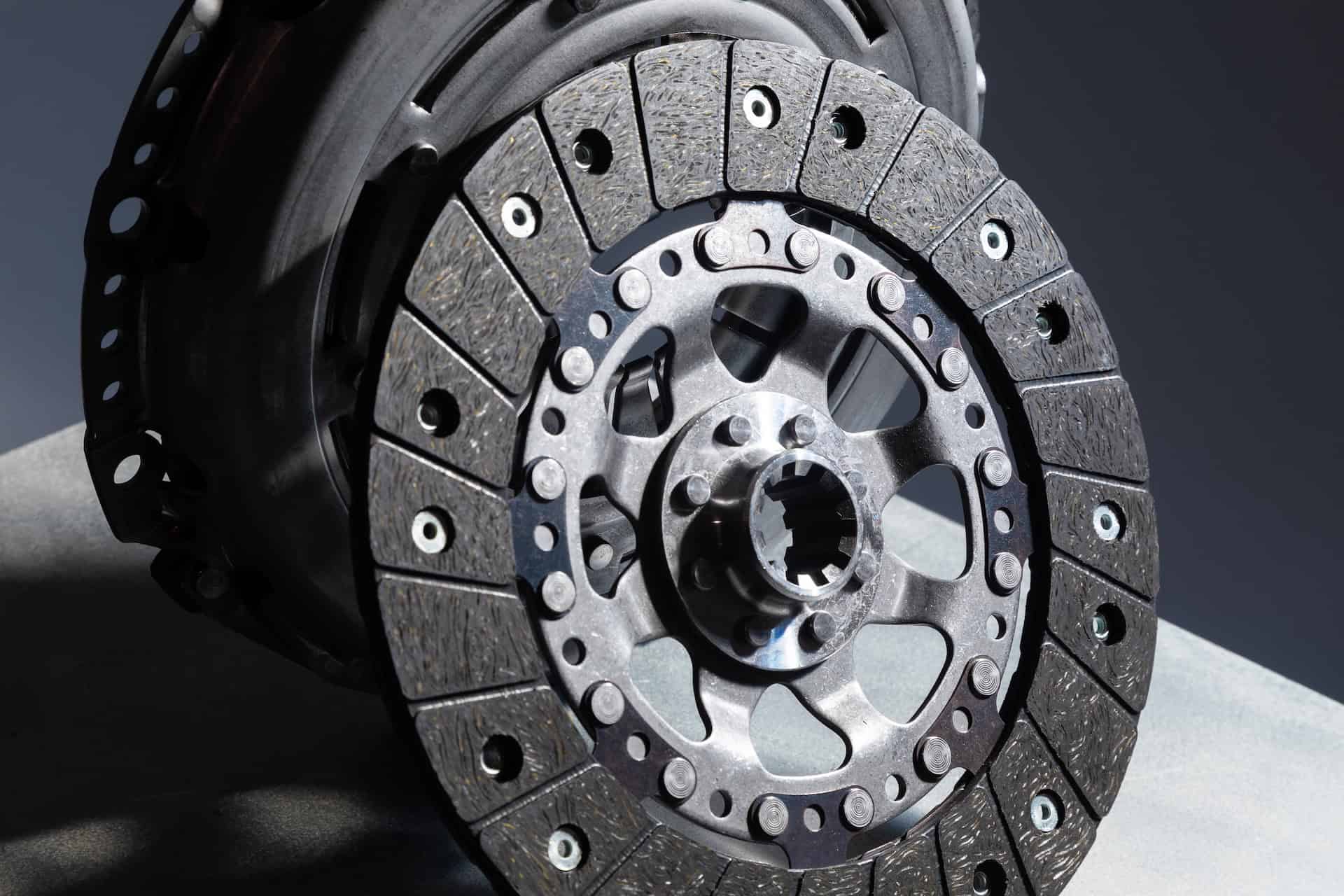
When your vehicle has transmission problems, you’ll usually notice early warning signs such as grinding noises, burning smells, slipping gears, or fluid leaking beneath the car. These symptoms often point to issues like low or dirty transmission fluid, worn seals, or a lack of regular maintenance.
In automatic cars, you might experience delayed gear changes or overheating. For manual transmissions, common problems include difficulty engaging the clutch.
The sooner you get your transmission diagnosed, the better – early intervention can help you avoid major damage and costly repairs. Understanding the symptoms, causes, and how to prevent transmission issues is key to keeping your vehicle running smoothly for longer.
Transmission Problems – Auto Repairs & Recovery Quick Take
Transmission problems can cause gear shifting issues, slipping, or strange noises while driving. Ignoring these signs can lead to costly repairs or complete transmission failure.
Key Takeaways
-
Common warning signs include unusual grinding noises, burning smells, slipping gears, fluid leaks, and check engine light activation.
-
Low fluid levels, contaminated fluid, and ignored leaks are primary causes that can escalate into catastrophic transmission damage.
-
Automatic transmissions experience slipping, delayed shifting, and overheating, while manual transmissions suffer from clutch wear and engagement difficulties.
-
Change transmission fluid every 60,000 miles and monitor for leaks or discolouration to prevent major failures.
-
Immediate attention to symptoms prevents expensive repairs, as transmission problems worsen rapidly when left untreated.
What Is a Transmission and Why It’s Crucial for Your Vehicle
Your vehicle’s transmission is the vital link between engine power and wheel movement. It controls how torque is transferred to the wheels through a series of precisely engineered gear sets.
Whether you drive an automatic or manual transmission, the system relies on smooth gear changes to deliver power efficiently. Maintaining proper transmission fluid levels and sticking to a regular service schedule are essential to ensure long-term performance and avoid costly repairs.
Early Warning Signs of Transmission Problems

Understanding the basics of your transmission system helps you recognise when something’s not right with your drivetrain. Common warning signs often signal underlying transmission issues that require immediate attention.
If you’re hearing strange sounds, our guide to unusual transmission noises can help you identify what’s going wrong. Catching these early can prevent major damage and expensive repairs.
| Warning Sign | Diagnostic Action |
|---|---|
| Unusual noises (grinding/clunking) | Inspect internal components |
| Burning smell | Check fluid levels/condition |
| Slipping gears | Test engagement mechanisms |
| Leaking transmission fluid | Locate seal failures |
| Check engine light | Run diagnostic codes |
These symptoms should never be ignored. For accurate diagnosis and repair, it’s best to consult a professional mechanic as soon as possible.
What Causes Transmission Problems?
Most transmission problems are caused by low or contaminated transmission fluid, making it the leading culprit behind many transmission failures.
-
Low fluid levels, often due to leaks, can lead to slipping gears, overheating, or grinding noises.
-
You may also notice the check engine light illuminating as the system detects irregularities.
-
A visible fluid leak beneath your car is a serious warning sign and should never be ignored.
Acting early can prevent irreversible damage to your transmission and save you from costly repairs down the line.
Automatic vs Manual Transmission Problems - What’s the Difference?
Automatic and manual transmissions differ not only in how they operate, but also in the type of problems they typically face, and how those issues are diagnosed.
- Automatic transmission problems often present as:
- Slipping gears
- Delayed or harsh shifting
- Overheating
These issues are usually detected via diagnostic scan tools, which read electronic fault codes from the vehicle’s computer system.
- Manual transmission problems are more likely to involve:
- Clutch wear
- Grinding gears
- Difficulty engaging gears
Diagnosis often requires manual inspection of physical components rather than digital error codes.
Automatic transmissions are generally more expensive to repair, due to their complex design and reliance on electronic systems.
How to Diagnose Transmission Issues at Home
Before heading to a mechanic, there are several basic diagnostic checks you can perform from your driveway to help identify potential transmission problems:
-
Check the transmission fluid level using the dipstick. The fluid should be clean and red, not dark or burnt-smelling.
-
Look for red fluid leaks underneath your vehicle, which may indicate a worn seal.
-
Listen for grinding or unusual noises while shifting, especially during acceleration.
-
Notice if the transmission slips or the car shakes when changing gears.
-
Watch for the check engine light, which can signal early transmission issues.
|
Signs of Transmission Issues |
Action Required |
|---|---|
|
Dark/Burnt Fluid |
Change Immediately |
|
Grinding Sounds |
Professional Inspection |
|
Red Fluid Puddles |
Seal Replacement |
Can You Drive With Transmission Problems?
While it might be tempting to drive “just a little further,” doing so with transmission problems can lead to catastrophic failure and serious safety risks.
Warning signs such as:
-
Slipping gears
-
Unusual noises while driving
-
Burning smells (often caused by low or overheated transmission fluid)
-
Illuminated check engine light related to transmission faults
…should all be treated as red flags. If you notice any of these, stop driving and seek professional help immediately.
Continuing to drive can accelerate internal damage, turning what could be a minor repair into a full transmission rebuild or replacement, which is far more costly.
How Much Does Transmission Repair or Replacement Cost in the UK?

In the UK, transmission repair costs vary depending on several key factors:
-
The extent of internal damage
-
Your vehicle’s make and model
-
Whether you need a repair or a full replacement
Typical UK cost ranges:
-
Transmission repair: £1,000 – £3,000
(Minor repairs like replacing solenoids or seals tend to cost less, while fixing major internal faults increases the price.) -
Transmission replacement: £2,500 – £5,000+
(Automatic transmissions are usually more expensive to replace than manual ones, and premium or imported vehicles cost more.) -
Preventive maintenance: Regular servicing and fluid changes can help avoid costly repairs down the line.
Early diagnosis and intervention can significantly reduce your overall costs by preventing total transmission failure.
How Auto Repairs & Recovery Can Help With Transmission Problems
When your transmission starts showing warning signs, Auto Repairs & Recovery’s diagnostic expertise can identify the root cause before minor issues escalate into major failures.
Our technicians check automatic transmission fluid through the transmission dipstick, deploy advanced diagnostic tools to pinpoint slipping gears, and assess your car’s transmission system thoroughly.
You’ll receive targeted repairs addressing specific faults, while regular maintenance and early intervention prevent costly rebuilds.
Tips to Prevent Transmission Problems in the Future
When your transmission shows signs of trouble, Auto Repairs & Recovery provides expert diagnostics to catch issues early, before they turn into costly failures.
Our skilled technicians:
-
Inspect your transmission fluid for level, colour, and condition using the dipstick
-
Use advanced diagnostic tools to detect slipping gears, delayed shifting, and electronic faults
-
Assess your full transmission system, identifying worn components or leaks
Whether you’re dealing with an automatic or manual transmission, we offer targeted repairs tailored to your vehicle’s needs. And with routine servicing and early intervention, we help you avoid expensive rebuilds and keep your car running smoothly.
Final Thoughts
Transmission problems aren’t inevitable – proactive maintenance makes all the difference. In fact, it’s widely reported that up to 90% of transmission failures are caused by overheating and fluid contamination, both of which are preventable with proper care.
If you notice slipping gears, burnt-smelling transmission fluid, or delayed engagement, don’t ignore the warning signs. For a step-by-step guide on preventing these issues, read our Transmission Maintenance Tips.
To protect your transmission:
- Check fluid levels monthly
- Replace transmission fluid approximately every 30,000–60,000 miles (check your manufacturer’s guidelines)
- Address even minor issues early, before they escalate into major failures
By staying on top of routine checks and fluid maintenance, you’ll prolong your transmission’s lifespan, improve performance, and avoid costly repairs or complete replacements.
F.A.Q.s
Frequently Asked Questions
What Are the Symptoms of a Bad Transmission?
You'll notice slipping gears, burning odours, grinding noises during shifts, delayed engagement, and red fluid leaks beneath your vehicle requiring immediate diagnostic assessment.
Can Transmission Problems Be Fixed?
You can fix many transmission problems through fluid changes or flushes. However, persistent symptoms after service indicate mechanical wear requiring professional diagnostics and potentially extensive component repairs.
Is It Expensive to Fix Transmission?
Yes, minor repairs start around £300, while major repairs or replacements can cost £1,200 to £4,000, depending on the vehicle.
What Is the Most Common Transmission Failure?
A transmission's most common failure is low or contaminated fluid. You'll experience slipping gears, overheating, and increased friction. Check fluid levels monthly and change every 60,000 miles to prevent catastrophic damage.