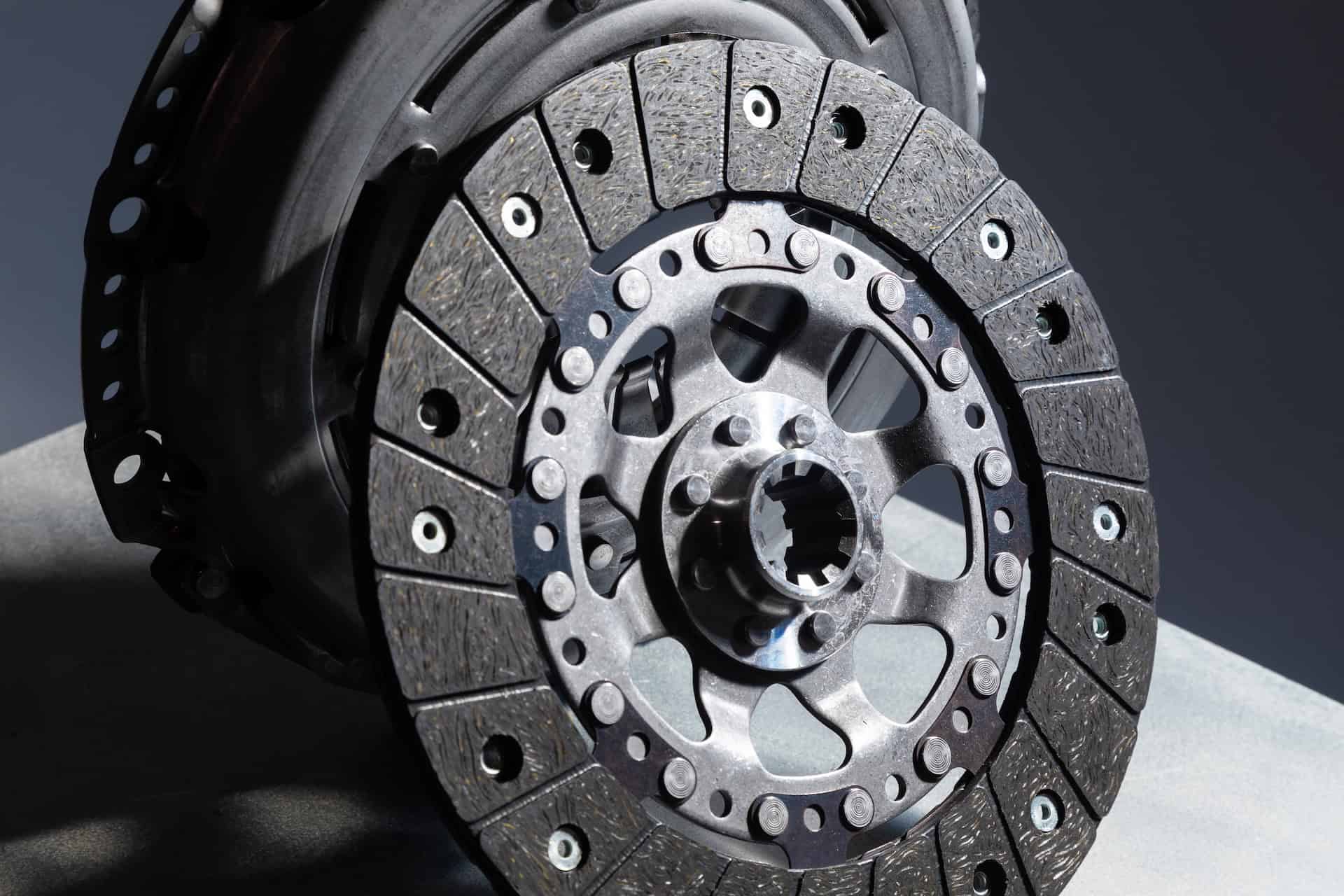
Keep your transmission running smoothly with regular maintenance checks every 30,000-60,000 miles. You’ll need to monitor fluid levels monthly, watch for reddish-brown leaks, and listen for unusual noises during gear shifts.
Don’t skip warm-ups before driving, and always come to a complete stop before shifting between drive and reverse. Early detection of transmission trouble helps prevent costly repairs, while professional inspections ensure your vehicle operates at peak performance.
Transmission Maintenance Tips – Auto Repairs & Recovery Quick Take
Following transmission maintenance tips can extend its life and prevent costly repairs. Regularly check fluid levels, change the fluid as recommended, and address leaks or unusual noises quickly.
Key Takeaways
-
Check transmission fluid levels monthly and change it every 30,000-60,000 miles to prevent overheating and internal damage.
-
Allow your vehicle to warm up properly before driving, especially during cold weather, to reduce transmission wear.
-
Come to a complete stop before shifting between drive and reverse to protect transmission components.
-
Watch for warning signs like unusual noises, delayed shifting, or fluid leaks under your vehicle.
-
Book a yearly professional inspection to spot issues early and prevent expensive repairs.
Why Transmission Maintenance Is Essential for Your Vehicle’s Longevity
While many vehicle owners focus primarily on engine maintenance, transmission care is equally essential for your vehicle’s overall longevity and performance.
Regular transmission maintenance, including proper fluid management and scheduled inspections, helps prevent transmission problems and costly repairs.
Key Transmission Maintenance Tips Every Driver Should Follow

Five essential transmission maintenance practices can greatly extend your vehicle’s service life and prevent costly repairs.
Regularly check your transmission fluid level, schedule annual transmission service, monitor warning signs like gear slipping, allow proper warm-up time, and come to complete stops before shifting between drive and reverse.
|
Maintenance Task |
Frequency |
Benefits |
|---|---|---|
|
Fluid Check |
Monthly |
Prevents overheating |
|
Fluid Change |
30-60K miles |
Extends lifespan |
|
Inspections |
Annually |
Early problem detection |
|
Warm-up |
Daily |
Reduces wear |
|
Stop Before Shift |
Each use |
Protects components |
How to Check and Maintain Transmission Fluid
Checking your transmission fluid regularly is a critical maintenance task that helps prevent costly transmission repairs.
Periodically check fluid levels with your engine idling on level ground. Look for bright red, clear fluid with a sweet smell – dark or foul-smelling fluid needs changing.
Use the right transmission fluid specified in your owner’s manual and schedule fluid changes every 30,000-60,000 miles.
Signs Your Transmission Needs Immediate Attention
Recognising early warning signs of transmission problems can prevent catastrophic failures and expensive repairs.
Watch for slipping gears during acceleration or gear changes. Pay attention to unusual transmission noises like grinding or whining when shifting.
If you notice delayed shifting from park to drive, inspect immediately. Check for reddish-brown fluid leaks under your vehicle.
Don’t ignore warning dashboard lights, especially gear-shaped icons.
Automatic Transmission Maintenance Tips for Smooth Shifting
While identifying warning signs helps prevent major transmission issues, proper maintenance of your automatic transmission can ensure peak performance and longevity.
For smooth operation, you’ll need to check your transmission fluid every 30,000 to 60,000 miles and make sure it’s clean and reddish.
Let your vehicle warm up before driving, come to complete stops when shifting between drive and reverse, and schedule regular inspections to avoid costly repairs.
Manual Transmission Maintenance Tips for Long-Lasting Performance
To maintain your manual transmission’s performance and extend its service life, you’ll need to follow specific maintenance procedures that focus on proper fluid care and driving habits.
Regular maintenance and smart driving practices are essential to keep your manual transmission running smoothly and reliably for years to come.
- Check transmission fluid levels every 30,000-60,000 miles and replace when needed to prevent wear and tear.
- Come to a complete stop before engaging reverse to reduce transmission issues and protect the gearbox.
- Monitor for unusual noises or shifting difficulties and address maintenance tips promptly.
If you drive a manual car, our guide explains how long a clutch lasts and the driving habits that can shorten or extend its lifespan.
Common Mistakes to Avoid in Transmission Care

Several preventable mistakes can damage your transmission and lead to costly repairs.
Don’t skip regular transmission fluid changes, as dirty fluid causes overheating and excessive wear.
Avoid cold starts without proper warm-up, and never overload your vehicle beyond specified limits.
Ignoring warning signs or skipping professional inspections can turn minor issues into complete transmission failure.
How Seasonal Changes Affect Transmission Performance
Seasonal temperature fluctuations directly impact your transmission’s performance through their effects on fluid viscosity and component stress.
- In winter, cold temperatures thicken transmission fluid, requiring warm-up time to prevent premature wear.
- Summer heat increases risks of transmission overheating, demanding vigilant cooling system maintenance.
- Spring and fall temperature variations affect fluid level stability, making regular inspections essential for detecting potential leaks or viscosity changes.
The Role of Regular Servicing in Preventing Transmission Trouble
Regular servicing plays a pivotal role in safeguarding your car transmission against premature wear and costly failures.
A professional service every 30,000 to 60,000 miles, including a transmission flush, helps prevent contaminated transmission fluid from damaging critical components.
You’ll find that timely maintenance costs are notably lower than transmission replacement expenses, while routine inspections guarantee peak performance and extend your transmission’s lifespan.
Transmission Maintenance Costs in the UK - What to Expect
Understanding transmission maintenance costs in the UK helps vehicle owners budget effectively for essential upkeep. Prices vary depending on your vehicle type, transmission system, and service provider:
- Basic maintenance (fluid changes, filter replacements): £100-£250
- Diagnostic services and thorough inspections: £50-£150
- Full transmission rebuilds: £1,500-£3,000+
Following your vehicle manufacturer’s maintenance schedule and working with a reputable mechanic can help prevent costly repairs by keeping your transmission fluid in optimal condition.
How Auto Repairs & Recovery Keeps Your Transmission in Top Condition
When your transmission requires expert attention, here at Auto Repairs & Recovery we employ a detailed approach to maintenance and repairs.
Our technicians play a critical role in preventing premature transmission failure through extensive diagnostics and regular transmission fluid checks.
We keep your vehicle in ideal condition by conducting professional inspections, utilising advanced diagnostic tools, and implementing preventive maintenance strategies tailored to your specific transmission type.
DIY vs Professional Transmission Maintenance - Which Is Right for You?
Making informed decisions about transmission maintenance starts with evaluating whether to handle tasks yourself or seek professional expertise.
Consider these key factors:
- DIY maintenance can include checking transmission fluid levels and basic changes if you’re following your owner’s manual carefully.
- Professional inspections utilise advanced diagnostic tools and expertise to catch hidden issues early.
- While DIY saves money initially, missed problems could lead to expensive repairs that professionals could prevent.
Preventive Maintenance Tips to Avoid Costly Transmission Repairs
Regular preventive maintenance serves as your first line of defence against costly transmission repairs and potential system failures.
Proactive maintenance is your shield against expensive transmission damage, protecting both your vehicle and your wallet.
Check your transmission fluid every 30,000 to 60,000 miles, and visit a transmission specialist annually for inspections.
When changing between drive and reverse, come to a complete stop to reduce strain.
Avoid aggressive driving to prevent overheating and extend your transmission’s lifespan.
When It’s Time to Replace Your Transmission - Warning Signs
Identifying transmission problems early can help you avoid catastrophic failure and costly repairs.
Watch for these critical warning signs that indicate it’s time for a transmission replacement:
- Poor performance including slipping gears, delayed engagement when shifting from park to drive, and unexpected gear changes.
- Unusual grinding, whining, or clunking noises during gear shifts, suggesting severe internal damage.
- Fluid leaks beneath your vehicle, especially when accompanied by burning smells or illuminated dashboard warning lights.
Final Thoughts
Your transmission’s longevity depends on consistent maintenance, regular fluid checks, and prompt attention to warning signs. You’ll maximise performance by following manufacturer guidelines, addressing issues early, and partnering with qualified professionals.
Whether you choose DIY maintenance or professional service, you must monitor fluid levels, listen for unusual sounds, and schedule routine inspections. Remember: prevention costs less than repairs, saves time over replacements, and protects your vehicle’s value.
F.A.Q.s
Frequently Asked Questions
What Maintenance Should I Do on My Transmission?
You'll need to check fluid levels monthly, change fluid every 30,000-60,000 miles, inspect for leaks regularly, replace filters during service, and maintain smooth driving habits to protect your transmission.
How Do You Keep Your Transmission Healthy?
You'll need to check fluid levels regularly, change fluid every 30,000-60,000 miles, avoid aggressive driving, come to complete stops before shifting, and schedule annual professional inspections for ideal transmission health.
How to Properly Service a Transmission?
Check and replace transmission fluid and filter every 30,000-60,000 miles, inspect for leaks, use manufacturer-specified fluid type, and guarantee complete stops before shifting. Schedule annual professional inspections for thorough servicing.
Is It Better to Flush Your Transmission or Just Change the Fluid?
If your car's under 100,000 miles, you'll benefit from a transmission flush that removes all contaminants. However, if you're beyond that milestone, stick with regular fluid changes to avoid complications.