

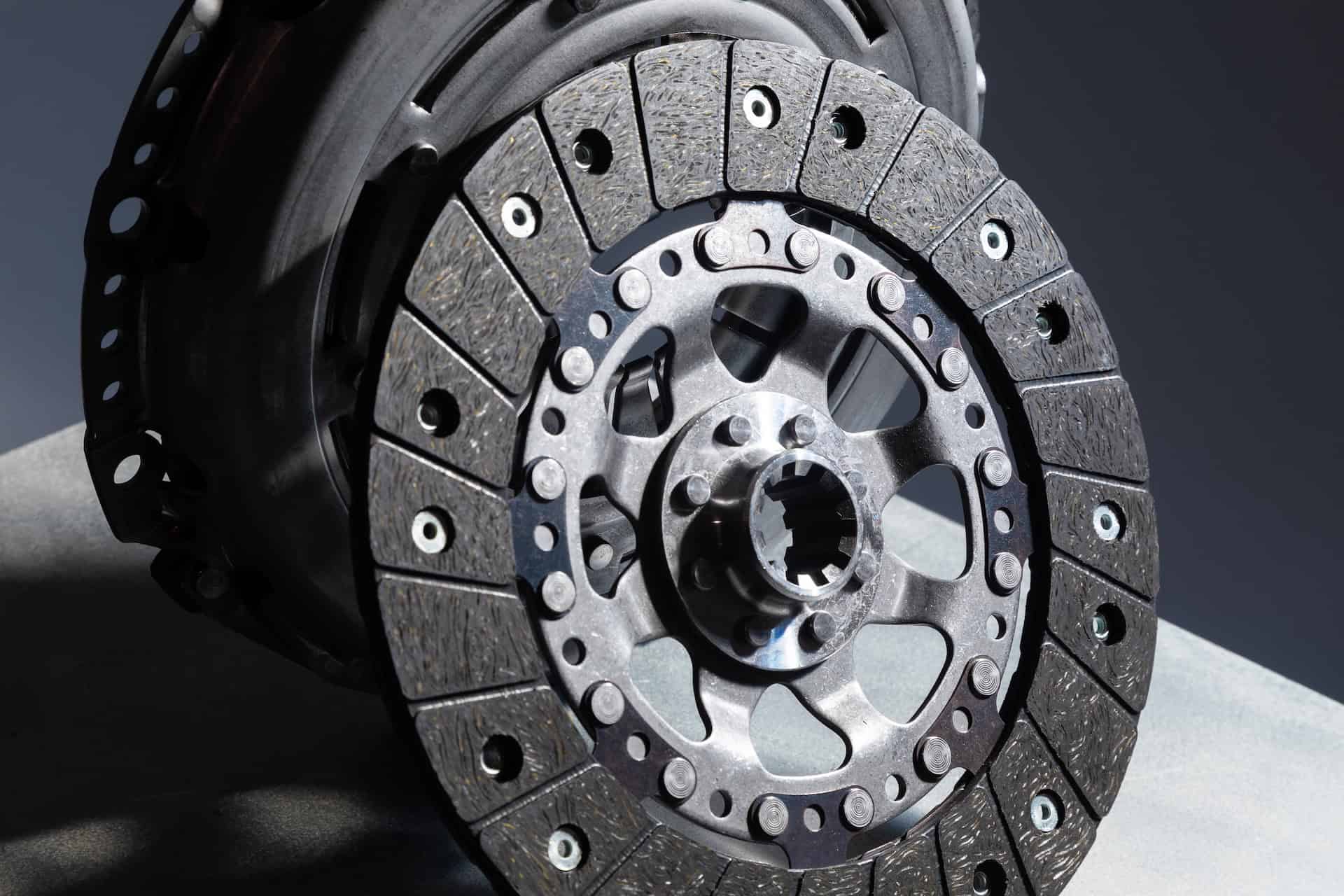
A manual car clutch typically lasts around 50,000 to 100,000 miles, but there is no fixed replacement interval.
How long it lasts depends on driving style, journey type, vehicle weight, towing and how the clutch is used. This guide explains what affects clutch life and the warning signs that may mean replacement is getting closer.
This article focuses on manual transmission cars, as automatic and dual-clutch systems work differently.
Key Takeaways
-
A manual clutch typically lasts 50,000 to 100,000 miles, although this is only a guide.
-
Driving style, journey type, vehicle weight and towing can all affect clutch lifespan.
-
Stop-start town driving generally causes more clutch wear than steady motorway driving.
-
Common warning signs include slipping, a changing biting point, juddering, difficulty changing gear and a burning smell.
-
Clutch condition should be judged by symptoms and testing, not mileage alone.
How Long Does a Clutch Typically Last?
Most clutches on UK road cars last around 50,000 to 100,000 miles, although some wear sooner and others last considerably longer.
There is no fixed replacement interval. Two identical cars with the same mileage can have very different levels of clutch wear depending on how and where they have been driven. A high-mileage motorway car may have a healthier clutch than a lower-mileage vehicle used mainly in stop-start traffic.
Clutch lifespan can also be affected by vehicle weight, engine torque, towing and heavy loads, particularly when pulling away or driving on hills. Some vehicles also use a dual-mass flywheel, which may need to be inspected alongside the clutch if replacement becomes necessary.
What Does a Clutch Do?

The clutch connects the engine to the gearbox. Pressing the clutch pedal temporarily disconnects drive so you can change gear or stop without stalling. Releasing it reconnects the engine and gearbox, transferring power to the wheels.
For a broader explanation of how power is transferred through the vehicle, read our guide to the car transmission.
The main components include the clutch plate, pressure plate and flywheel. When the clutch engages, friction between these components transfers power. That friction gradually wears the clutch plate over time, which is why clutch wear is a normal part of driving.
What Affects Clutch Lifespan?
Clutch lifespan varies considerably depending on how and where the car is driven, as well as the demands placed on it.
Driving Style
Riding the clutch by resting your foot on the pedal can cause unnecessary friction and wear. Holding the car on the biting point, excessive clutch slipping and aggressive starts can also generate heat and shorten clutch life.
Town Driving vs Motorway Driving
Stop-start town driving involves frequent gear changes and repeated clutch engagement, so it generally causes more wear than steady motorway driving.
A car used mainly for longer motorway journeys may therefore have less clutch wear than a lower-mileage vehicle that spends most of its time in heavy traffic.
Hills
Holding a car stationary on a hill using the clutch generates heat and accelerates wear. Use the brake or parking brake to hold the vehicle instead, then engage the clutch when you are ready to move away.
Towing and Heavy Loads
Towing a caravan or trailer and regularly carrying heavy loads can place additional strain on the clutch, particularly when pulling away or climbing hills.
Mechanical Problems
Not every clutch problem is caused by normal wear. Oil contamination, hydraulic faults, cable or linkage problems and release mechanism faults can all cause clutch symptoms, sometimes at relatively low mileage.
For advice on looking after the wider drivetrain, see our transmission maintenance tips.
Driving Habits That Can Help a Clutch Last Longer
A few simple driving habits can help reduce unnecessary clutch wear:
-
Keep your foot off the clutch pedal when cruising. Resting it on the pedal can place unnecessary pressure on the clutch mechanism and contribute to wear.
-
Use the brake or parking brake on hills rather than holding the car on the biting point.
-
Change gear smoothly, fully depressing the clutch pedal and releasing it cleanly after selecting the next gear.
-
Avoid unnecessary clutch slipping when manoeuvring, parking or reversing on steep slopes.
-
At longer stops, selecting neutral and releasing the clutch pedal can reduce unnecessary loading on clutch release components.
The best way to extend clutch life is to avoid riding, slipping or overheating the clutch unnecessarily.
Warning Signs Your Clutch May Be Wearing Out
Clutch problems can show up in several ways, although some symptoms may also have other causes.
Clutch Slipping
A slipping clutch is often the clearest warning sign. Engine revs rise without a matching increase in road speed, particularly when accelerating hard, driving uphill or using higher gears.
As slipping worsens, the clutch generates more heat and wear can accelerate.
Difficulty Changing Gear
If gears become difficult to select or the clutch does not fully disengage, there may be a clutch problem. However, hydraulic faults, cables, linkage or transmission problems can cause similar symptoms.
Clutch Judder
Shaking or juddering when moving away can be caused by clutch or flywheel wear, contamination, worn mounts or other faults.
Burning Smell
A burning smell after hill starts, towing or heavy clutch use can indicate an overheated or slipping clutch. If it happens repeatedly, the clutch should be checked.
Unusual Noises
Noises when pressing or releasing the clutch pedal can point to problems with the release bearing or other clutch components and are worth investigating.
If the noise appears to come from the gearbox or occurs while changing gear, our guide to transmission noise explains some of the possible causes.
Does a High Biting Point Mean the Clutch Is Worn?
A biting point that has gradually moved higher can be a sign of clutch wear. However, some vehicles naturally have a relatively high biting point, so this symptom alone does not mean the clutch needs replacing.
Other signs such as slipping, juddering, difficulty changing gear or changes in pedal feel should also be considered before the clutch is diagnosed as worn.
How Long Can You Drive With a Slipping Clutch?

There is no reliable mileage or time estimate for how long a slipping clutch will last. It may continue working for a while or deteriorate quickly.
Continued slipping generates heat, reduces the clutch’s ability to transfer power and can damage the flywheel. Eventually, the car may struggle or fail to transmit drive altogether.
Have the clutch checked as soon as noticeable slipping develops. Reduced or unpredictable acceleration can be particularly problematic when joining fast roads, overtaking or climbing hills.
Can a Worn Clutch Damage Other Parts?
If clutch slipping is ignored, the resulting heat can damage the flywheel surface and other clutch components. Oil contamination can also indicate a leaking engine or gearbox seal that may need attention during clutch replacement.
Some vehicles use a dual-mass flywheel, which should be inspected when the clutch is replaced. If additional components are worn or damaged, the repair can become more involved, so having clutch problems diagnosed early can help prevent further damage.
When Should You Have Your Clutch Checked?
Have the clutch checked if you notice:
-
Slipping under load
-
A noticeable change in the biting point
-
Juddering when moving away
-
Difficulty changing gear
-
Unusual clutch noises
-
Recurring burning smells
-
A sudden change in clutch pedal feel
Diagnosis may involve a road test, checking clutch engagement and pedal feel, testing for slipping and inspecting the hydraulic system or other related components.
Replacement should be recommended based on the symptoms and diagnosis rather than mileage alone.
A car can also pass its MOT while still having a worn clutch, as clutch friction wear is not part of the MOT inspection.
Clutch Inspections and Replacement at Auto Repairs & Recovery
Auto Repairs & Recovery is an independent garage in Littlehampton, West Sussex, providing clutch inspections and replacement.
The team can road-test your vehicle, check for clutch slipping, judder, changes in pedal feel and difficulty changing gear, and investigate other possible causes before recommending replacement.
If a new clutch is required, the clutch assembly and flywheel can be inspected once accessible, with any additional work discussed with you before it goes ahead.
Quality parts suited to your vehicle are used, and the findings and costs are explained clearly before work begins. If you are experiencing clutch problems, contact Auto Repairs & Recovery to arrange an inspection.
F.A.Q.s
Frequently Asked Questions
Can a clutch last more than 100,000 miles?
Yes. Some clutches last beyond 100,000 miles, particularly on vehicles driven smoothly and mainly on longer journeys. However, clutch lifespan varies considerably depending on driving conditions and habits.
Is 70,000 or 80,000 miles high mileage for a clutch?
Not necessarily. Mileage alone does not tell you how worn a clutch is. A high-mileage motorway car may have experienced less clutch use than a lower-mileage car driven mainly in heavy traffic.
Can a clutch fail suddenly?
Yes. While normal clutch wear usually develops gradually, hydraulic, cable or release mechanism faults can cause symptoms to appear quickly. A sudden change in pedal feel or difficulty engaging gears should be checked promptly.
Can I keep driving with a slipping clutch?
It is not advisable. There is no reliable way to know how long a slipping clutch will continue working, and continued slipping can generate heat, damage the flywheel and eventually prevent the car from transmitting drive properly.
Does a high biting point always mean the clutch is worn?
No. A high biting point can indicate wear, particularly if it has changed noticeably over time, but some cars naturally have a higher bite. Other symptoms such as slipping, juddering or changes in pedal feel should also be considered.


