

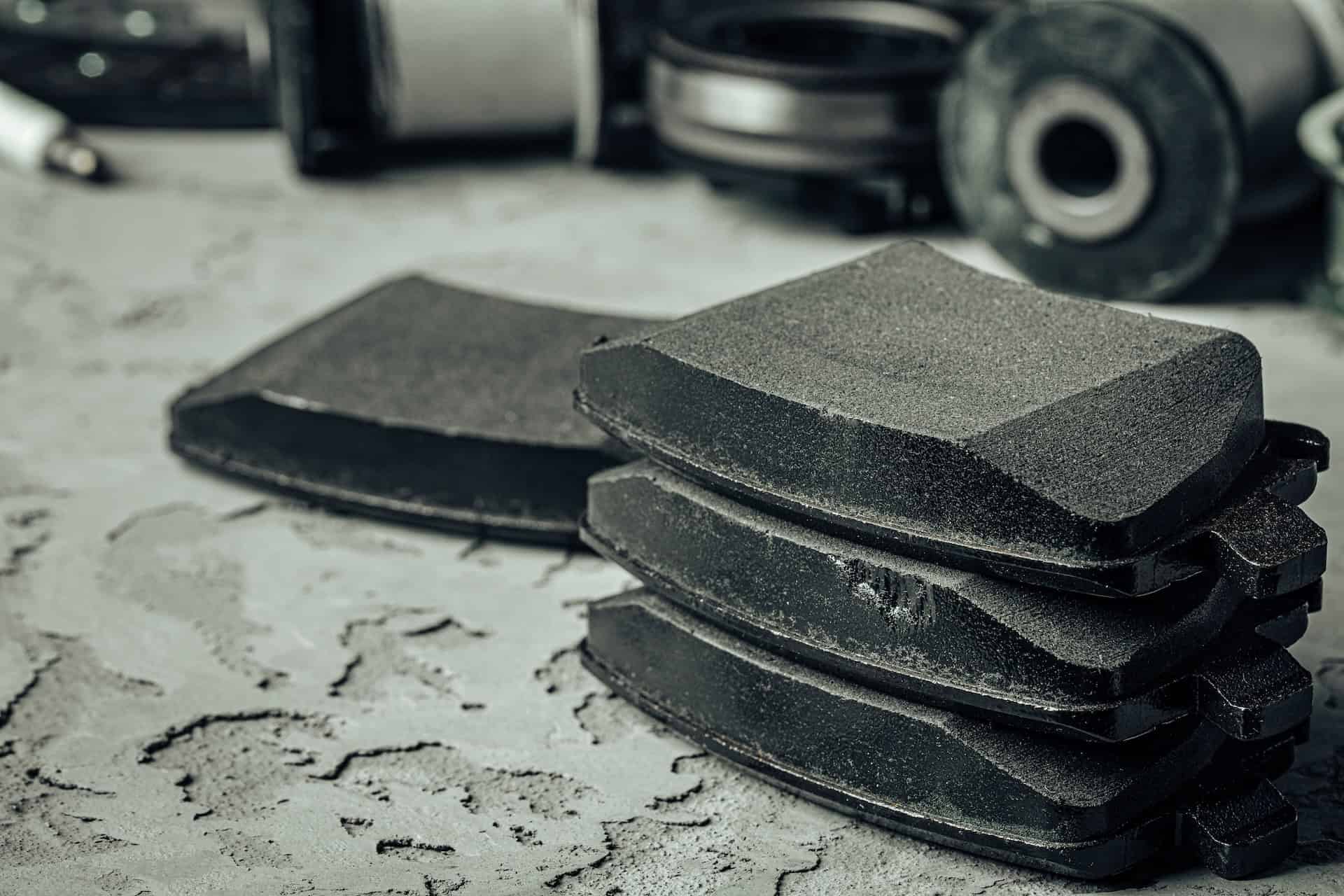
Brake pads typically last around 30,000 to 70,000 miles, but there is no fixed replacement mileage.
How long they last depends on factors such as driving style, journey type, vehicle weight, brake pad specification and braking system design. This guide explains what affects brake pad wear, the signs to watch for, and when replacement may be needed.
Key Takeaways
-
Brake pads typically last 30,000 to 70,000 miles, although this is only a guide.
-
Front brake pads often wear faster than rear pads, but this varies between vehicles.
-
Driving style, journey type, vehicle weight and braking system design all affect lifespan.
-
Noise, warning lights and changes in braking performance can indicate wear.
-
Pad thickness and condition are more reliable than mileage alone when deciding if replacement is needed.
-
How Long Do Brake Pads Typically Last?
Brake pads commonly last around 30,000 to 70,000 miles, but some wear out much sooner while others last considerably longer.
There is no fixed replacement mileage. Driving style, journey type, vehicle weight and braking system design all affect wear, so even identical cars can need new pads at very different mileages.
For that reason, mileage should only be used as a guide. Remaining pad thickness and overall condition are more reliable indicators of when replacement is needed.
Why Front Brake Pads Often Wear Faster Than Rear Pads

When a car slows down, weight transfers towards the front, so the front brakes often do more of the braking work. This is why front brake pads commonly wear faster than rear pads and may need replacing sooner.
However, this is not true for every vehicle. Modern brake-force distribution and stability systems can affect how braking effort is shared, and some cars may wear their rear pads just as quickly or even sooner.
A visual inspection or professional brake check is the best way to compare front and rear pad wear.
What Affects How Long Brake Pads Last?
Two drivers with similar cars can see very different brake pad wear. The main factors are:
Driving Style
Frequent hard or late braking creates more heat and friction, which can wear brake pads faster.
Gentle, progressive braking and leaving enough space ahead can reduce unnecessary brake use and help the pads last longer.
Journey Type
Stop-start town driving usually wears brake pads faster than steady motorway or A-road driving because the brakes are used much more often.
Cars used mainly for short journeys, school runs, busy traffic or hilly routes may therefore need brake pads sooner than cars covering similar mileage at steady speeds.
Vehicle Weight and Loads
Heavier vehicles require more braking effort to slow down, which can increase wear on both brake pads and discs.
Regularly carrying heavy loads or towing a caravan or trailer can also shorten brake pad life.
Brake Pad Specification
Brake pads are available in different materials and specifications, which can affect wear, braking characteristics, noise and brake dust.
The most important thing is that the pads are suitable for the vehicle and meet the manufacturer’s requirements rather than simply choosing the cheapest option.
Vehicle and Braking System Design
Brake balance, electronic stability systems, caliper design and other vehicle-specific factors can influence how quickly the pads wear and whether the front or rear pads wear first.
Modern braking systems also work alongside anti-lock brakes (ABS), which help prevent the wheels from locking during hard braking.
Faults such as a sticking caliper or seized slider can also cause uneven or unusually rapid brake pad wear.
How Hybrid and Electric Cars Affect Brake Pad Life
Hybrids and electric vehicles use regenerative braking, which slows the car using the electric motor and reduces how often the friction brakes are needed.
As a result, brake pads can sometimes last much longer than on a conventional petrol or diesel car.
However, less use of the friction brakes can create other issues. Brake discs and other components may suffer corrosion or sticking if they are used infrequently, so low mileage does not always mean the braking system is in perfect condition.
For hybrid and EV owners, overall brake condition matters just as much as remaining pad thickness.
Signs Your Brake Pads May Need Replacing

Mileage alone is not enough to judge brake pad condition. Watch for these common warning signs.
Squealing or Screeching
Some brake pads have wear indicators that produce a high-pitched squeal as the pads become thin.
However, squealing does not always mean the pads are worn out. Glazing, corrosion, contamination or other brake issues can also cause noise.
If your brakes are making noise, our guide to car brakes squeaking explains the common causes and when they need checking.
Grinding or Scraping
Grinding is more serious and can indicate that the friction material has worn away, allowing metal to contact the brake disc.
If you hear grinding, have the brakes checked promptly to avoid further damage.
Brake Pad Warning Light
Some vehicles have brake pad wear sensors that trigger a dashboard warning when the pads reach a set limit.
If the light appears, the pads should be inspected soon. Not every car has this system, so no warning light does not necessarily mean the pads are healthy.
Changes in Braking Performance
Reduced braking performance, unusual pedal feel, pulling to one side or vibration while braking can all indicate a problem with the braking system.
These symptoms do not always mean the pads themselves are worn, but they should be investigated.
You can also read our guide to common brake problems for other warning signs to look out for.
Burning Smell or Sudden Change in Braking
A strong burning smell or sudden reduction in braking performance should be treated as urgent.
Stop driving if the brakes feel unsafe and have the vehicle checked as soon as possible.
Brake Pad Thickness: How Much Life Is Left?
Brake pad thickness is often more useful than mileage when judging remaining life. Many new brake pads have around 10 to 12 mm of friction material, although this varies between vehicles and pad designs.
Many garages recommend closer monitoring or planning replacement at around 3 mm, rather than waiting until the pads reach their absolute minimum. The vehicle manufacturer’s specifications and the overall condition of the braking system should also be considered.
For the MOT, a brake pad worn down to its wear indicator is classed as a Major defect, while friction material below 1.5 mm is classed as Dangerous. An illuminated brake pad wear warning on its own is not an MOT failure.
An MOT is not the same as a full workshop brake inspection. The MOT does not involve dismantling the braking system, whereas a garage can inspect and measure the pads and discs more thoroughly.
How Many Miles Are Left on 3 mm Brake Pads?
There is no reliable way to convert 3 mm of remaining brake pad into a set number of miles.
Remaining life depends on driving style, journey type, vehicle weight, braking system design and whether the pads are fitted to the front or rear.
At around 3 mm, the pads are getting low, so they should be monitored closely or replacement planned rather than assuming they will last for a particular mileage.
Brake Pads vs Brake Discs

Brake pads are the friction material that presses against the metal brake discs to slow the car. Both wear over time, but pads usually need replacing more frequently.
If brake pads wear down completely, the metal backing can contact the disc, causing scoring, overheating and additional damage. Replacing worn pads before this happens can help avoid the need for more extensive brake repairs.
Do Front and Rear Brake Pads Need Replacing at the Same Time?
Brake pads are normally replaced in axle pairs, so both front pads are changed together or both rear pads are changed together.
For a closer look at how the braking system is arranged, see our guide on how many brake pads a car has.
Front and rear pads do not usually need replacing at the same time because they often wear at different rates. A garage should inspect all four brakes for uneven wear, sticking calipers and disc condition before deciding what needs replacing.
If brake discs also need replacement, they are normally replaced as a pair on the same axle to maintain consistent braking performance.
When Should You Have Your Brake Pads Checked?
Have your brakes inspected during routine servicing, or sooner if a warning light appears, new noises develop, or braking performance changes. It is also sensible to have them checked before a long journey or towing if you already have concerns.
If you are unsure what is normally inspected, our guide explains what a brake service includes.
Low-mileage cars still need brake checks because components can suffer corrosion, sticking or uneven wear even when plenty of pad material remains.
A workshop inspection may include checking pad thickness, brake disc condition, calipers, sliders, brake fluid and signs of uneven wear or leaks.
Brake Inspections and Repairs at Auto Repairs & Recovery
Auto Repairs & Recovery is an independent garage in Littlehampton, West Sussex, providing brake repairs, servicing, diagnostics and general vehicle maintenance.
The team can inspect front and rear brake pads, check brake disc condition, identify uneven wear or sticking components, and replace worn pads and discs where required.
The aim is to assess the actual condition of the braking system, rather than recommend replacement based on mileage alone. Any findings and repair options are explained clearly before work begins.
If you have noticed warning signs or simply want your brakes checked, contact Auto Repairs & Recovery to arrange a brake inspection.
F.A.Q.s
Frequently Asked Questions
Can brake pads wear out before the average mileage?
Yes. Stop-start driving, hard braking, heavy loads and towing can all shorten brake pad life. This is why condition and pad thickness matter more than waiting for a set mileage.
How long will 3 mm brake pads last?
There is no reliable mileage estimate. At 3 mm, the pads are getting low, so replacement should be planned rather than assuming they will last a certain number of miles.
Can I drive with a brake pad warning light on?
A brake pad warning light usually means the pads need checking soon. Avoid ignoring it, as continued wear can eventually damage the brake discs.
Do worn brake pads affect an MOT?
Yes. A brake pad worn down to its wear indicator is classed as a Major defect, while friction material below 1.5 mm is classed as Dangerous. An illuminated brake pad wear warning light on its own is not an MOT failure.
Can brake pads need replacing on a low-mileage car?
Yes. Low mileage does not always mean healthy brakes. Corrosion, sticking calipers and uneven wear can still affect the braking system, especially on cars that are used infrequently.


