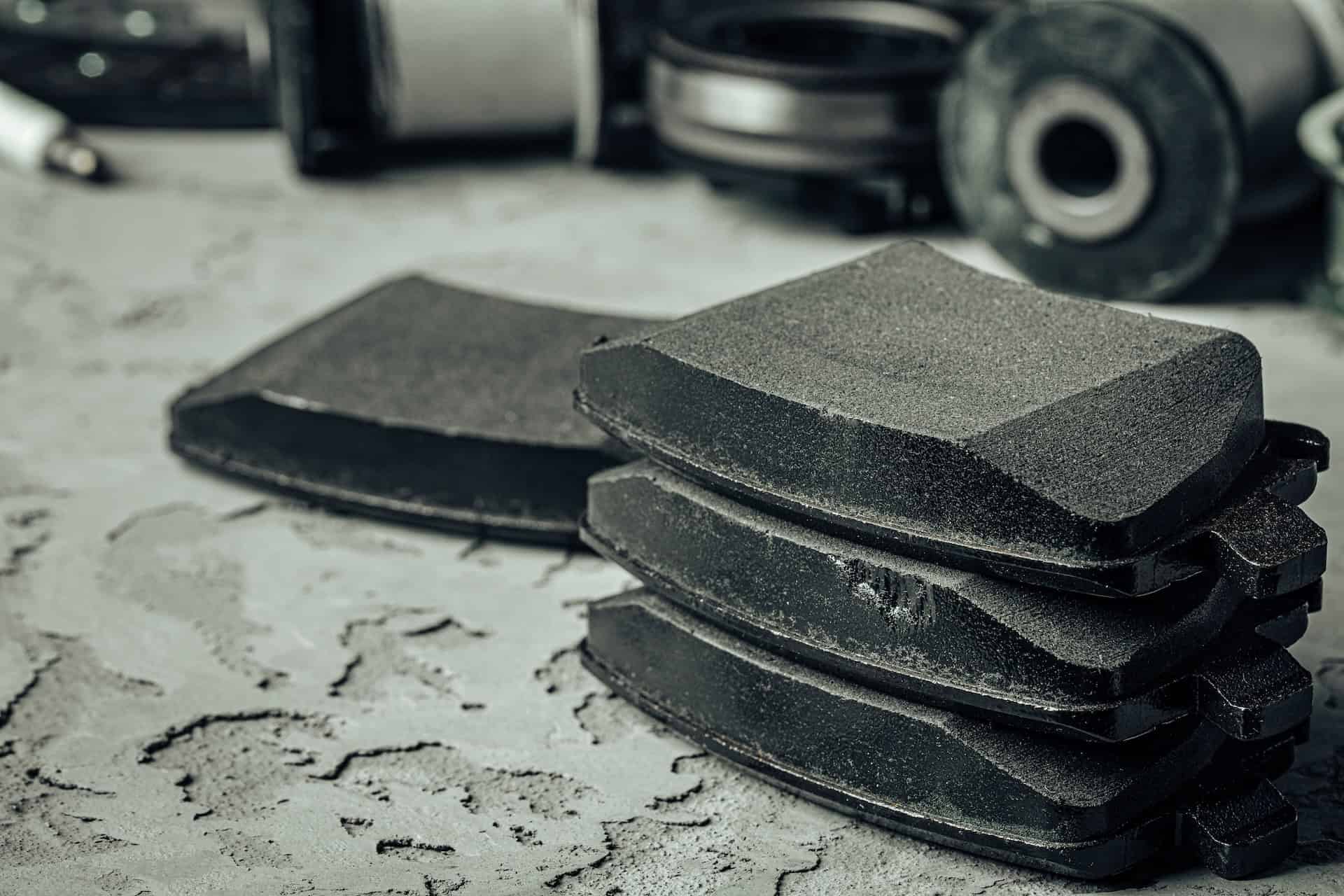
Common brake problems can quickly turn from minor inconveniences into serious safety hazards if left unaddressed.
Issues like squealing brakes, a jittery steering wheel, or a spongy brake pedal are more than just nuisances, they’re often signs of worn-out brake pads, warped rotors, or low brake fluid.
Recognising these warning signs early is key to maintaining your vehicle’s safety and avoiding costly repairs.
In this guide, we’ll explore the most frequent brake issues, what they mean, and how to address them effectively to keep your car roadworthy.
Common Brake Problems – Auto Repairs & Recovery Quick Take
Common brake problems include squeaking, grinding, or a soft brake pedal. These issues often signal worn pads, low fluid, or faults in the braking system.
Key Takeaways
-
Screeching or grinding noise indicates worn brake pads
-
Soft or spongy brake pedal may indicate air in the brake lines or low fluid level
-
Vibrations in the steering wheel during braking suggest uneven rotors
-
Brake fluid leakage can result in low fluid levels and loss of braking force
Identifying Brake Noises

Hearing a screeching or grinding noise typically indicates that your brake pads are worn and require urgent replacement.
This distinct sound is typically caused by brake pad wear indicators coming into contact with the rotor surface, alerting you that the friction material has deteriorated to a critical level.
To learn about what services can address this issue, check out our guide on what a brake service includes.
A soft or spongy brake pedal can indicate that air has entered the brake lines or that the brake fluid level is low due to a leak or overheated brakes.
In such cases, the hydraulic pressure necessary for the braking system to function effectively is compromised.
If you encounter a persistent grinding sound, this could point to worn out brake pads that have allowed the backing plate to grind against the rotor, potentially leading to warped rotors, a condition that can cause pulsations or vibrations when braking.
Moreover, a seized caliper can prevent the brake pads from releasing fully, causing excessive friction and heat, which can further damage the braking system.
It’s critical to address these symptoms promptly to ensure your safety and prevent more costly repairs.
The brake warning light on your dashboard is also a telltale sign that your braking system requires professional evaluation.
In some cases, this may relate to the anti-lock braking system, so it’s worth understanding what anti-lock brakes are and how they work if an ABS warning light appears.
Pedal Pressure Issues

If you’re noticing your brake pedal feels unusually soft or hard to press, it may signal issues ranging from low fluid levels to a malfunctioning master cylinder.
A spongy pedal often indicates air has infiltrated your brake lines, compromising the hydraulic pressure essential for proper brake system function.
To rectify this, you’ll need to bleed the brakes to remove air pockets and ensure that the brake fluid is at the recommended level.
Conversely, a hard brake pedal can be symptomatic of a failing brake booster or an obstruction within the vacuum system.
This issue may stem from a vacuum leak, which diminishes the power assistance that the brake booster provides. Thoroughly inspect the vacuum lines for any signs of damage or disconnection.
Regular maintenance checks will help identify if your master cylinder is defective, which can lead to uneven pressure distribution across the brake pads.
This could cause your vehicle to pull to one side when braking. It’s crucial to address pedal pressure problems promptly, as they can significantly impact the responsiveness and safety of your vehicle’s braking performance.
Steering Wheel Vibrations

Continuing from pedal issues, you may also notice vibrations in the steering wheel during braking, which typically indicates your rotors may be uneven and require attention.
These vibrations occur because the brake pads are forced against an inconsistent rotor surface during braking. The uneven contact causes the steering wheel to shake, signalling an issue that can’t be ignored.
If you’re hearing noises alongside vibrations, our detailed post on squeaking car brakes offers valuable insights into diagnosing and addressing the problem.
When the vehicle shakes, it’s often due to brake rotors that have developed variations in thickness or warping over time. This can be the result of high heat and stress from repeated, heavy braking, which can also lead to the brake pads wearing unevenly.
If the brake caliper sticks, it could cause the pads to stay in contact with the rotors, increasing friction and heat, exacerbating rotor wear.
If you notice your car pulling to one side during braking, this may also point to brake problems related to worn brake pads or a sticking brake caliper. In this case, one side may be braking more forcefully than the other, causing the vehicle to pull.
To resolve these issues, brake servicing is essential. This typically includes resurfacing the rotor to make it level again, or replacing it if it’s beyond repair.
Regular maintenance checks ensure your brake pads and rotors remain in good condition, preventing steering wheel vibrations and maintaining safe braking performance.
Brake Fluid Complications
Brake fluid issues can compromise your vehicle’s stopping power, so it’s crucial you regularly check for any signs of leakage or contamination. Low brake fluid levels can result from a breach in the hydraulic system.
When you spot a brake light illuminated on your dashboard, don’t ignore it; it’s often the first warning of leaking fluid. A brake issue such as this requires immediate attention to prevent loss of braking force.
Visualise these critical points:
1. Brake Fluid Leaks: Puddles or stains under your vehicle may indicate a serious leak in the brake system.
2. Low Brake Fluid: If the reservoir dips below the recommended level, air can infiltrate the system, leading to brake fade.
3. Contaminated Brake Fluid: Discolouration or particles in the fluid suggest contamination, which can corrode internal components and reduce efficiency.
4. Vehicle Pulls: If your car pulls to one side during braking, uneven brake fluid pressure might be at fault.
Don’t underestimate the impact of brake fluid complications. Ensuring the integrity of this vital fluid is paramount to maintaining control and safety on the road.
Next, let’s look at how to identify rotor and pad wear signs, another key aspect of brake maintenance.
Rotor and Pad Wear Signs

Every time you press the brake pedal, your car’s rotors and pads experience wear that can lead to decreased performance and safety issues.
Recognising the signs of brake pads wear and brake rotor deterioration is crucial for maintaining your brake system’s effectiveness.
Brake pad lifespan can vary considerably, so our guide on how long brake pads last explains the typical mileage and the factors that affect how quickly they wear.
As the caliper piston forces the pad material against the rotor, creating friction that slows your vehicle, excessive heat is generated. This heat can contribute to the wear of both components.
Visible signs of wear include a thinning brake pad, which should be measured against manufacturer specifications. If you’re unsure about your vehicle’s setup, you can learn more in our article on how many brake pads a car has.
Additionally, listen for a squealing noise, which may indicate that the wear indicator is making contact with the rotor.
This is a deliberate design feature to alert you before the pad wears down to the metal contact points, potentially causing rotor damage.
Examine the brake rotor for grooves or scoring; a smooth surface is critical for proper braking. If you notice uneven wear or warping, which can cause vibrations during braking, the rotor may need resurfacing or replacement.
Regular inspections by a professional can diagnose and prevent further deterioration, ensuring that your disc brakes function safely and reliably.
Common Brake Problems - Final Thoughts
Your car’s performance often speaks through its brakes, whether it’s a spongy pedal signalling low fluid levels or steering wheel vibrations pointing to rotor issues. These aren’t just minor inconveniences; they’re crucial warnings about your vehicle’s safety.
Ignoring these signs can lead to costly repairs and compromised safety. Regularly checking your brake pads, fluid levels, and overall system health is essential to keeping your vehicle roadworthy and reliable.
Maintaining your brakes isn’t just about extending their lifespan; it’s about ensuring your safety and the safety of everyone on the road. Prioritise proper brake care, and you’ll enjoy a smoother, more secure driving experience.
F.A.Q.s
Frequently Asked Questions
What Is the Common Problem of Brake System?
You’re facing a nightmare when your brake pedal feels like stepping on a sponge! It’s likely due to low fluid, air in the lines, or a faulty master cylinder needing immediate attention.
What Is the Most Common Cause of Brake Failure?
You’re likely facing brake failure due to a leak in the brake fluid system, which leads to a loss of hydraulic pressure and compromised braking performance. Regular checks are crucial to prevent this.
What Are the Signs of Bad Brakes?
You’ll notice bad brakes by squealing noises, a soft pedal, or vibrations during braking. Check for uneven rotor wear, leaking fluid, and ensure timely maintenance to avoid these dangerous issues.
How Do I Know if My Brake Pads or Rotors Are Bad?
If you’re noticing a squealing noise or your car pulls to one side when braking, it’s likely your brake pads or rotors need checking. Inspect for uneven wear or scoring on the rotors.