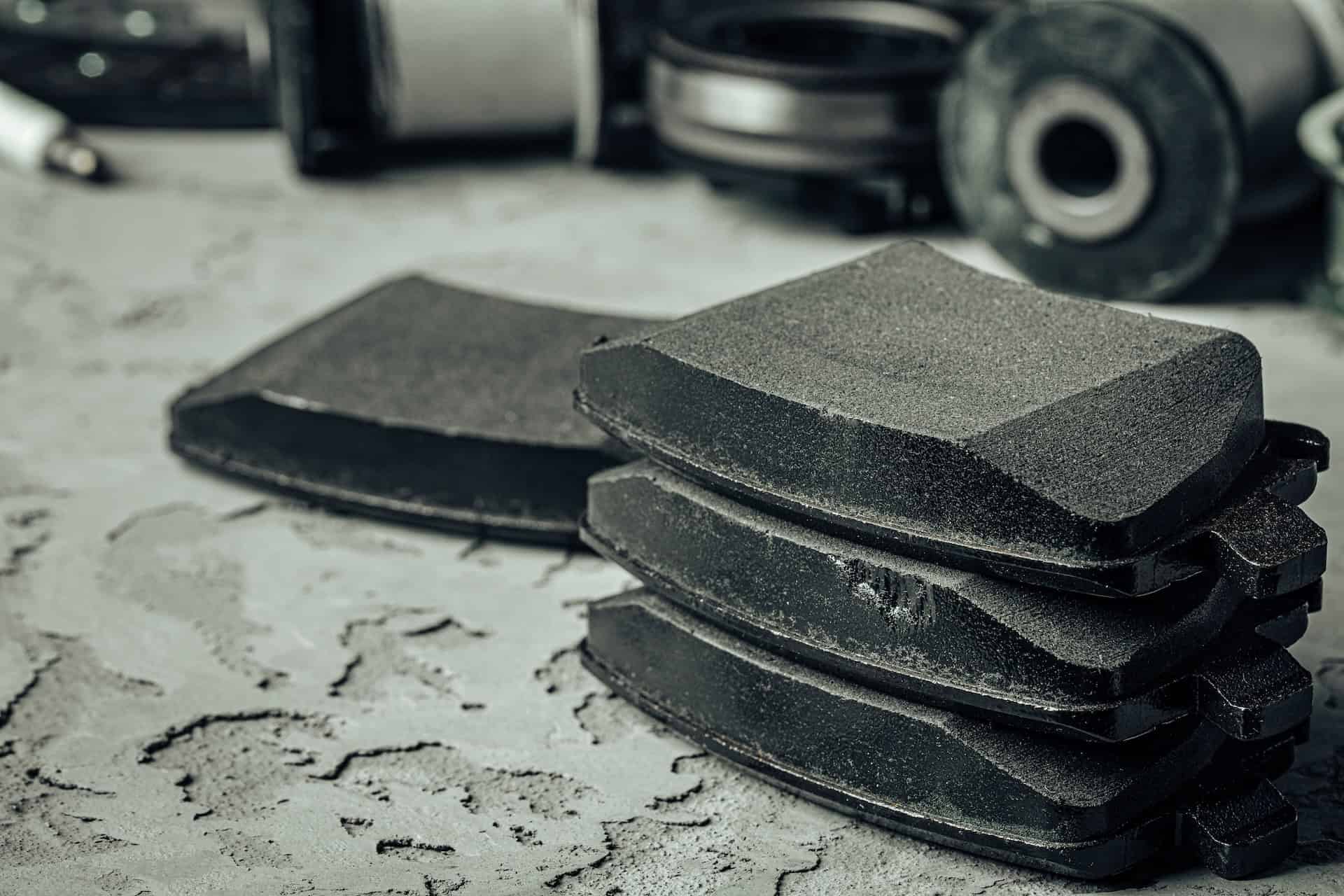
Your squeaky brakes can stem from several mechanical issues that need attention. Worn brake pads, moisture accumulation causing rust, or debris trapped between components are common culprits.
High-pitched squeals often indicate thin brake pads needing replacement, while grinding noises suggest severe wear that risks rotor damage. While you can temporarily drive with minor squeaks, continued operation may compromise your safety and lead to costly repairs.
Quick fixes include cleaning brake components and applying proper lubricants, but persistent squeaking requires professional inspection. Understanding the specific type of brake noise will help pinpoint the exact problem and solution.
Car Brakes Squeaking – Auto Repairs & Recovery Quick Take
Squeaky car brakes often mean worn pads or dirt buildup. Addressing the issue quickly prevents further damage and ensures safe braking
Key Takeaways
-
Squeaking brakes often indicate worn brake pads that need replacement, especially if the sound is high-pitched and persistent.
-
Moisture and rust accumulation on brake components can cause temporary squeaking that typically resolves after brief driving.
-
Debris trapped between brake pads and rotors creates friction noise, which can be resolved through professional cleaning.
-
While minor squeaking allows temporary driving, continued operation risks damage and reduced braking efficiency.
-
Regular brake inspections and timely pad replacement prevent most squeaking issues and maintain optimal safety performance.
Causes of Squeaky Brakes
Several common factors contribute to squeaky brakes in vehicles. When your brake pads wear down over time, they’ll become dangerously thin, causing metal-to-metal contact with the rotors and resulting in persistent squeaking.
When brakes squeal, it can indicate underlying issues with the brake system that may require attention.
Modern vehicles are fitted with advanced safety features such as ABS.
If you’re unsure how these systems interact, our guide on what are anti-lock brakes explains how the anti-lock braking system works alongside your standard brake components.
If you’ve parked your car overnight, moisture can create a thin layer of rust on brake components, which causes temporary noise during your first few brake applications.
This squeaking sound can signal problems like dust accumulation or moisture-induced rust.
Another significant cause of brake noise occurs when debris becomes trapped between your brake pads and rotors. This creates unwanted friction and squeaking during braking.
You’ll also experience noise issues if your brake components aren’t properly installed, leading to misalignment.
Additionally, if you’re using low-quality brake materials, they won’t effectively dampen sound, causing increased squeaking during normal brake operation.
Types of Squeaking Brake Sounds
Throughout your vehicle’s braking system, different types of squeaking sounds can indicate specific problems that require attention.
When you hear high-pitched squeaks, it’s likely your brake pads are wearing thin and approaching replacement time. A persistent squealing noise signals that your brake pads have become dangerously thin, requiring immediate service to prevent damage.
If you notice a grinding noise while braking, you’re facing severe pad wear that could be damaging your rotors – take your vehicle to a professional immediately.
Intermittent squeaks often stem from moisture or debris in your braking components, and while less serious, you should monitor these sounds.
Listen carefully for any rattling, as this indicates loose or damaged mounting hardware that needs inspection.
Can You Drive with Squeaky Brakes?

Safety concerns surrounding squeaky brakes require careful consideration before continuing to drive your vehicle.
While you can temporarily drive with squeaky brakes, particularly if the noise only occurs during morning startups and disappears after brief use, persistent squeaking demands immediate attention.
If your brake pads are worn, continuing to drive can result in metal-on-metal contact, leading to costly damage and compromised safety.
You’ll face increased stopping distances and reduced braking efficiency, creating dangerous driving conditions.
Don’t ignore these warning signs – what starts as a minor squeak can quickly become a serious issue.
Have your brakes checked by a professional when you notice consistent squeaking sounds.
The need to replace worn components is far less costly than dealing with complete brake failure or a potential accident.
How to Stop Squeaky Brakes
Once you’ve identified squeaky brakes in your vehicle, taking corrective action can prevent more serious mechanical issues down the road.
The most effective solution is to replace your brake pads when they show signs of wear, as this is one of the common causes of squeaky brakes.
If you are unsure when replacement may be needed, our guide explains how long brake pads last and the main factors that affect their lifespan.
To address the noise coming from your brakes, start by thoroughly cleaning the brake components to remove accumulated dust and debris that may interfere with proper operation.
Apply appropriate lubricant to the brake parts where metal-to-metal contact occurs, ensuring you don’t contaminate the brake pad surface.
Adjust your driving habits to reduce brake stress, avoiding sudden stops and excessive vehicle loads.
If squeaking brakes persist after these steps, seek professional diagnostic services to identify and resolve any underlying mechanical problems. If you’re unsure what this process involves, our article on what a brake service includes offers valuable insights.
Maintenance and Repair
Regular maintenance and repair are crucial to preventing squeaky brakes and ensuring your vehicle’s braking system remains in top condition. Here are some essential tips to help you maintain your brakes:
- Inspect Brake Pads Regularly: Regularly check your brake pads for signs of wear and tear. If you notice that your brake pads are thinning or showing signs of damage, replace them immediately to prevent further issues.
- Monitor Brake Fluid Levels: Keep an eye on your brake fluid levels and top them off as needed. Low brake fluid can affect the performance of your braking system and lead to squeaky brakes.
- Scheduled Brake Service: Have your brakes serviced every 10,000 to 15,000 miles. Regular servicing ensures that all brake components are in good working condition and helps identify potential issues before they become serious problems.
- Avoid Extreme Weather Conditions: Driving in heavy rain or snow can cause your brakes to wear down faster. Whenever possible, avoid driving in such conditions to extend the life of your brake pads.
- Drive Responsibly: Aggressive driving, such as speeding or sudden braking, puts extra stress on your brakes and can cause them to wear down more quickly. Adopt a smoother driving style to help maintain your brake pads and prevent squeaky brakes.
By following these maintenance tips, you can help prevent squeaky brakes and ensure your safety on the road.
Bedding in New Brakes
When you install new brake pads and rotors, it’s essential to bed them in properly to ensure they function correctly and provide optimal braking performance. Here’s how to bed in your new brakes:
- Initial Driving: For the first 100 to 200 miles, drive your car at moderate speeds. This allows the new brake pads to wear in gradually and evenly.
- Avoid Sudden Braking: During the bedding-in period, avoid sudden braking or hard acceleration. This helps prevent uneven wear and ensures the brake pads seat properly against the rotors.
- Gradual Increase: Gradually increase your speed and braking intensity over time. This helps the brake pads fully bed in and adapt to the rotors.
- Weather Considerations: Avoid driving in extreme weather conditions, such as heavy rain or snow, during the bedding-in process. These conditions can affect the bedding-in process and lead to uneven wear.
By following these steps, you can ensure your new brake pads and rotors are properly bedded in and functioning correctly, reducing the likelihood of squeaky brakes.
The Role of Brake Pads in Squeaky Brakes

Brake pads play a crucial role in your vehicle’s braking system, and worn-out or improperly maintained brake pads are a common cause of squeaky brakes. Here’s how brake pads contribute to squeaky brakes:
- Vibration and Noise: Worn-out brake pads can cause the brake caliper to vibrate, resulting in a squeaking noise. This is often a sign that the brake pads need to be replaced.
- Improper Bedding In: If new brake pads are not properly bedded in, they can cause a squeaking noise. Proper bedding-in ensures the brake pads seat correctly against the rotors.
- Compatibility Issues: Using brake pads that are not compatible with your vehicle’s brake system can lead to squeaky brakes. Always use brake pads that are designed for your specific vehicle model.
- Lack of Maintenance: Brake pads that are not properly maintained can cause a squeaking noise. Regular inspections and maintenance are essential to keep your brake pads in good condition and prevent squeaky brakes.
If you’re unsure about your setup, our guide on how many brake pads does a car have explains the typical configurations and what to look for.
To prevent squeaky brakes, it’s essential to regularly inspect and maintain your brake pads. Replace them immediately if you notice any signs of wear or damage.
Proper maintenance of your brake pads ensures your braking system functions efficiently and safely, reducing the likelihood of squeaking noises.
The Importance of Brake Pedal Maintenance

The brake pedal serves as your primary interface with your vehicle’s braking system, making its maintenance critical for safe operation. Regular inspection and maintenance guarantee peak braking performance and prevent issues like sponginess or unresponsiveness.
You’ll need to monitor wear and tear on bushings and pivot points to maintain proper brake function.
- Check your brake pedal’s return action after each use – it should quickly spring back to its original position.
- Lubricate all pivot points regularly to reduce friction and extend component life.
- Keep the pedal assembly clean and free of debris to prevent interference with movement.
Don’t overlook routine brake pedal maintenance, as it directly impacts your vehicle’s stopping power.
Regular inspections of bushings, cleanliness, and proper lubrication will help maintain reliable braking performance and guarantee your safety on the road.
Glazing: A Common Cause of Squeaky Brakes
Brake pad glazing represents one of the most frequent culprits behind squealing brakes, occurring when excessive heat transforms your brake pad’s surface into a glass-like state.
When you’re experiencing persistent squeaking noise during braking, it’s likely that your brake pads have developed a hardened, smooth surface that considerably reduces friction between the pad and rotor.
You’ll notice this issue most commonly after aggressive driving or prolonged brake use on steep descents.
Once glazing occurs, your brake pads won’t provide the stopping power you need, making replacement brake pads necessary for your safety.
To prevent future glazing, you should avoid riding your brakes and opt for engine braking when possible on hills.
Regular brake inspections will help you identify early signs of glazing before it compromises your vehicle’s braking performance.
Final Thoughts
Your brakes can squeal from simple rust or signal dangerous pad wear. While minor noises won’t immediately affect stopping power, you shouldn’t ignore these audible warnings.
Check your brake system regularly, maintain proper pedal pressure, and address issues promptly to prevent glazing and excessive wear. The difference between a quick fix and complete brake failure often lies in your response to those first squeaks.
F.A.Q.s
Frequently Asked Questions
How Do You Stop Your Brakes From Squeaking?
With 90% of brake noise caused by worn pads, you'll need to replace them, clean brake components, use quality materials, and guarantee proper lubrication of all moving parts.
Is It Safe to Drive With Squeaky Brakes?
You can drive briefly with minor brake squeaks that clear after initial use, but persistent squealing requires immediate inspection. Don't ignore the noise, as it could signal dangerous brake wear.
What Does It Mean if My Car Squeaks When I Brake?
Like a warning siren, your brake squeaks signal trouble. You're likely dealing with worn brake pads, moisture-caused rust, or debris buildup. Don't ignore it - these sounds warn of needed maintenance.
Why Do My Brakes Squeak but the Pads Are Good?
Your brakes can squeak due to moisture, debris between pads and rotors, sticky calipers, low-quality materials, or improper installation, even when your brake pads have sufficient material remaining.